
Full Mouth Reconstruction
Full Mouth Reconstruction
Extensive dental damage, decay, and tooth loss can impact the way your smile functions and cause you embarrassment.
An entirely customizable treatment, full mouth reconstruction can address multiple areas of your smile to restore its structural integrity.
Let's take a look at this all-inclusive treatment...
Full Mouth Reconstruction Is the Best Way
TO ADDRESS MANY CONCERNS SIMULTANEOUSLY
Eliminate Your Risk of More Widespread Tooth Loss
When left unaddressed, dental decay and infection can spread to other areas of your smile. Treating these concerns can protect remaining teeth and the shape of your jaw.
Treatment Can Have Extraordinary Aesthetic Benefits
Full mouth reconstruction is designed for your smile. Your dentist can take into account the shape of your face, the position of your jaws, and the alignment of your teeth for beautiful results.
Better Health, Better Function, Better Life.
Missing teeth can make it difficult to chew, and patients with tooth loss often sacrifice healthy food as a result. Treatment can make it easier to eat the foods you need and love.
Let's dive deeper...
Compromised Teeth Can Leave You Feeling Hopeless, But Treatment Can Change That
...and that number is growing by 500,000 annually.
2.3 million implant-supported crowns are fabricated annually.
90% of patients with partial or complete tooth loss have dentures.
*According to theAmerican College of Prosthodontistsand the American Academy of Implant Dentistry.
With a full mouth reconstruction, no case is too complex...
How Can I Afford Such a
COMPREHENSIVE TREATMENT?
You and your dentist can carefully select the restorative procedures to include in your plan, ensuring treatment meets your budget. Financing is often available and you may also stage treatment to make it more affordable.
Keep in mind that since this type of care is primarily restorative, insurance may cover all or part of each procedure.
Understanding
THE COSTS INVOLVED
As full mouth reconstruction is designed to address individual concerns, the cost can vary significantly from patient to patient.
What can I expect during treatment?
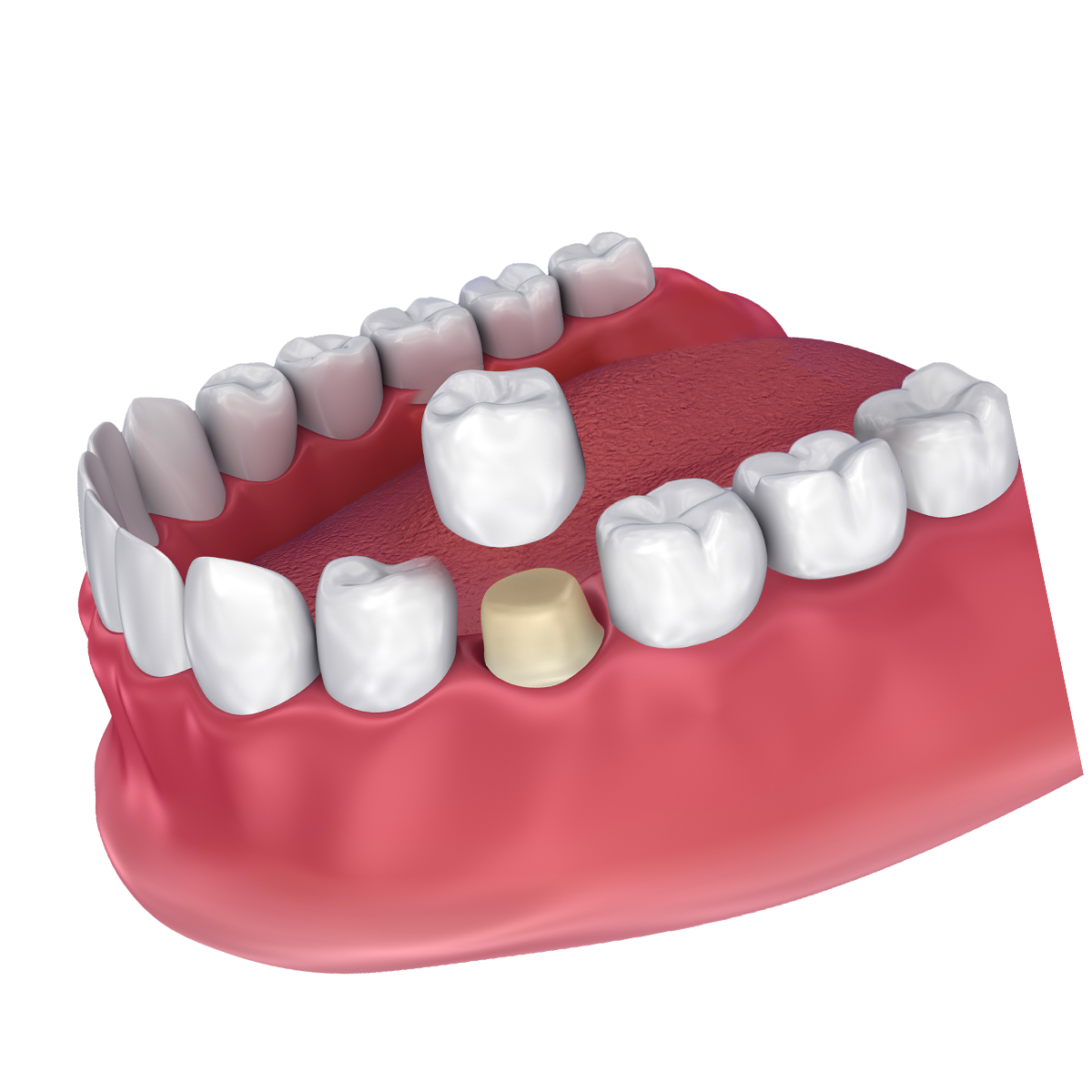
Dental implants and restorations can be used to rebuild your smile.
How Long Does Treatment Take?
The length of your treatment will depend on the procedures you choose to include. Sometimes, your dentist can perform more than one procedure in a single visit to expedite your treatment.
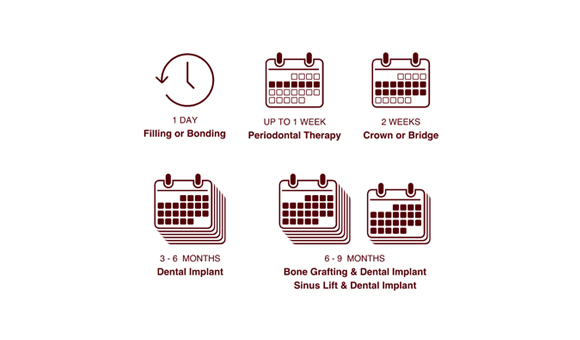
Let’s take a closer look at what wisdom teeth can do to your smile...
Design a Plan
JUST FOR YOU
When designing your treatment, consider all of the restorative solutions available. Dental implants can replace missing teeth, periodontal therapy can improve the health of your gums, and fillings can repair cavities. If you have temporomandibular joint disorder, also known as TMJ disorder or TMD, treatment can relieve pain and even protect your teeth from excessive wear and tear. You can incorporate any number of procedures into your unique treatment plan.
Still Not Convinced?
READ ANSWERS TO FAQS
Who Offers Full Mouth Reconstruction?
Many general dentists offer full mouth reconstruction. If your dentist does not provide comprehensive full mouth treatment plans, he or she may refer you to a colleague who does. Often, treatment involves particular procedures performed by a dental specialist, such as an endodontist, periodontist, prosthodontist, or oral surgeon. For children who have experienced oral trauma, we may recommend a pediatric dentist or pedodontist.
Can My General Dentist Perform Full Mouth Reconstruction?
Often, a general or family dentist will offer full mouth reconstruction. In some cases, however, a dentist may refer a patient to a colleague for full mouth reconstruction, simply because the general practitioner believes that the patient would be better served by a doctor who has more experience and training in full mouth reconstruction.
How Long Does Full Mouth Reconstruction Take?
Treatment time depends upon the scope of the treatment plan, patient compliance, and how quickly a patient recovers after procedures. After a thorough oral evaluation and discussion, your dentist should be able to provide a treatment timeframe. If you need treatment completed in a particular amount of time, be sure to let your dentist know your expectations at your consultation.
Will I Have to Take Time off Work?
Of course, you'll have to be available for dental appointments, though many denists will schedule procedures after regular office hours. If your work schedule is an issue, be sure to discuss it with your dentist. Chair time required for treatment will depend on the procedures in your full mouth reconstruction treatment plan. Should you need multiple procedures performed in a short time period, your dentist may suggest a sedative so that you can relax during extended appointments. The dentist may be able to combine multiple procedures in one, or a few, long appointments.
If your treatment plan involves oral surgery, you may need to take time off work for recovery. Tell your dentist about your work commitments so that he or she may factor that into your treatment plan.
How Much Does Full Mouth Reconstruction Cost?
Because each patient's treatment plan is unique, the cost of treatment varies greatly. If finances are an issue, consider a phased treatment plan or financing. Some patient financing companies offer low- and no-interest loans for qualified applicants. You can use dental insurance and health savings accounts to help with full mouth reconstruction costs. If finances are an issue, be sure to tell your dentist. The doctor may have the option to use dental materials and procedures that can make your treatment more affordable. Of course, less esthetic materials (metal instead of natural looking) and alternate materials (bonding instead of veneers) come with some concessions. Discuss the pros and cons of various dental materials and treatment options with your doctor before undergoing treatment.
Will Insurance Cover Full Mouth Reconstruction?
Dental insurance may pay for part of your full mouth reconstruction plan. Your dentist's financial coordinator can help you find ways to pay the portion not covered by insurance, if you don't have available funds on hand or in your health savings account (HSA).
What Are My Payment Options?
Choices may include phased treatment or using third-party or in-house financing. Phased treatment plans allow a large treatment plan to be divided into affordable, practical segments. Third party or in-house financing may be available for qualified applicants. In some cases, low- or no-interesting financing options exist.
Am I Too Old for Full Mouth Reconstruction?
No one is "too old" for good oral health and comfortable oral function. Age can, however, be an important factor in treatment planning, because elderly patients often have health issues that must be considered in a full mouth reconstruction plan. For instance, if the doctor determines that a patient may not do well during or after surgery, he or she may recommend mini dental implants, instead of traditional implants, for denture retention. Don't allow age to keep you from a healthy mouth and comfortable oral function. A competent dentist will be able to work with you to develop an appropriate, effective treatment plan, regardless of your age.
What If I'm Afraid of the Dentist?
Dental phobia is a common, and very real, problem for many patients who need full mouth reconstruction. Years of avoiding professional dental care due to dental anxiety, stress, or phobia can result in deteriorated oral health. Regardless of your oral health condition, if you don't like dental visits, tell your dentist.
Don't allow being afraid of the dentist to stand between you and optimal oral health.
Today, anxious dental patients have access to nitrous oxide (laughing gas), anxiolysis (oral sedation), oral conscious sedation (nitrous oxide with oral sedation), and IV sedation (intravenously administered drugs). These sedation options can make an anxious or extremely phobic dental patient find peace of mind and body during dental procedures. Don't allow being afraid of the dentist to stand between you and optimal oral health.
Does Full Mouth Reconstruction Hurt?
With modern dental anesthetics and sedation, no dental procedure has to hurt. Your dentist will recommend the appropriate level of medication for your comfort. Some patients experience short-term oral discomfort following a procedure. Your dentist may suggest over-the-counter or prescription pain relievers to take after treatment, for your comfort.
What If I Have a Sensitive Gag Reflex?
Tell the dentist if you know that you have a sensitive gag reflex, clinically known as laryngeal spasm. The dentist can take measures to reduce your risk for gagging, and to optimize your comfort.
What If Local Anesthetic Doesn't Work for Me?
If you know that local anesthesia does not sufficiently numb your mouth, tell your dentist during your initial consultation so that he or she can note your chart accordingly. The dentist can administer nitrous oxide, oral sedation, or oral conscious sedation to keep you comfortable during dental treatments.
What If My Back Pain Won't Allow Me to Sit in a Dental Chair for More than a Few Minutes at a Time?
Discomfort in the dental chair is a common issue, but it can be easily overcome with medication. Nitrous oxide, oral sedation, or oral conscious sedation can help you remain comfortable.
Can Special Needs Patients, including Alzheimer's Patients, undergo Full Mouth Reconstruction?
Yes. If your general dentist believes that you would be better suited under the care of a doctor with more experience treating special needs patients, he or she may refer you to a respected colleague. Often, a dentist administers sedation so that a special needs patient can comfortably undergo treatments for full mouth reconstruction.
How Long Will Full Mouth Reconstruction Last?
The longevity of treatment results will depend greatly upon your oral health, overall health, oral hygiene, and compliance with doctor's instructions. Dental materials are also a factor. Porcelain veneers, for instance, may last two decades or more; dental bonding to correct the same issue may only last five to ten years.
Will Full Mouth Restoration Address My Jaw Pain and Stop My Headaches?
If you suffer from chronic migraines, headaches, pain in the jaw, head, neck, shoulders, or back, tell your dentist. He or she can assess your occlusion and jaw joints to determine whether TMJ disorder (TMD) is causing your symptoms and incoroporate appropriate treatment into your plan.
How Can I Stop Grinding My Teeth during My Sleep?
Habitual teeth grinding is clinically known as bruxism and is a common affliction: according to the National Institute of Dental and Craniofacial Research, an estimated 10 million Americans suffer from the condition.
Over time, teeth grinding takes a toll on teeth by wearing down molars or causing chips and fractures. Therefore, bruxism should be treated so that the results of full mouth reconstruction are preserved. A simple oral appliance called a mouth guard can prevent teeth grinding, but the underlying cause should also be treated.
Do Kids Ever Need Full Mouth Reconstruction?
Children can require full mouth reconstruction. Common causes are baby bottle mouth (decay across front teeth) and injury. A child who needs full mouth reconstruction should see a pedodontist (children's dentist).
What Will Happen If the Dentist Finds Oral Cancer in My Mouth?
Oral cancer is a serious and common disease that can affect people with no high-risk factors. If your dentist finds cause for an oral biopsy, he or she may refer you to an oral surgeon. Rest assured, your dentist will answer all of your questions and explain next steps if you ask.
What Will Happen if I Have Gum Disease?
Your dental hygienist or dentist will suggest appropriate treatment, based on your level of gum disease. Also called periodontal disease, gum disease is a chronic condition that has no cure, but it can be treated.
Early gum disease is known as gingivitis, and few symptoms are expressed. In fact, some patients with gingivitis experience no symptoms. Treating gingivitis may simply involve changing your oral homecare routine and using special mouthwash. However, a deep cleaning may also be suggested if gingivitis has progressed.
Gum disease is a chronic condition that has no cure, but it can be treated.
Deep cleaning takes a few hours and is often performed in two visits. It involves scaling, which is removing hardened plaque (tartar or calculus) from below the gum line, and root planing, which is smoothing rough areas on teeth roots. If you have periodontitis, the advanced stage of gum disease, you may need surgery. Often, a general dentist will refer patients with periodontitis to a periodontist for treatment.
Do Dentists Use Laser Surgery during Full Mouth Reconstruction?
Some, not all, dentists employ lasers for minimally invasive dental and periodontal procedures. A soft tissue laser can treat periodontitis, reduce gum tissue for cosmetic purposes, and perform biopsies. Hard tissue lasers can prepare teeth for restorations, clean a tooth's root canal, and trim bone tissue. Patients tend to heal promptly following laser surgery, and lasers offer an unparalleled level of precision.
What are the long-term measures to take care of Dental Implants?
You can follow the tips below to take care of your dental implants in San Diego, CA:
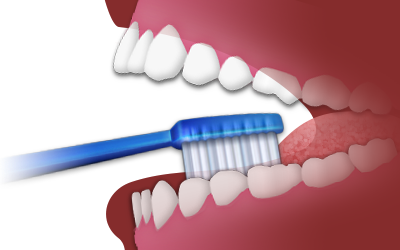
1. Brush your teeth with a soft nylon brush.
After getting your dental implants in San Diego, you will have to switch to a nylon toothbrush as its bristles will be more gentle on the dental implants. A Proxabrush can also be used to clean the hard-to-reach areas around the implants.
Avoid using a hard-bristled toothbrush as it may end up scratching the surface of your implants.
2. Avoid any dental abrasive
Using too abrasive or too-flavored oral hygiene products can cause extreme discomfort to your implants.
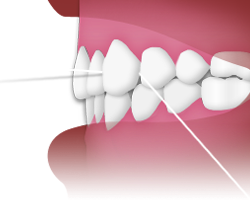
3. Floss between your teeth daily
It is even more essential to floss, especially if you have dental implants. If not flossed, then over time, plaque may accumulate around your implants, causing other oral problems.

4. Avoid Consuming Sticky/Hard Foods
It would be better if you could avoid eating hard/sticky foods that otherwise may damage your implants. You should avoid caramel, dried fruit, hard candies, tacos, chips, carrots, steak, crusty bread, etc.
5. Avoid Smoking and Alcohol
It would be good for you and your oral health to quit smoking and alcohol. Consuming any of them during the healing period can affect the whole procedure negatively. As smoking can be quite detrimental, and drinking alcohol can reduce the speed of healing drastically.

6. Visit Your Dentist in San Diego
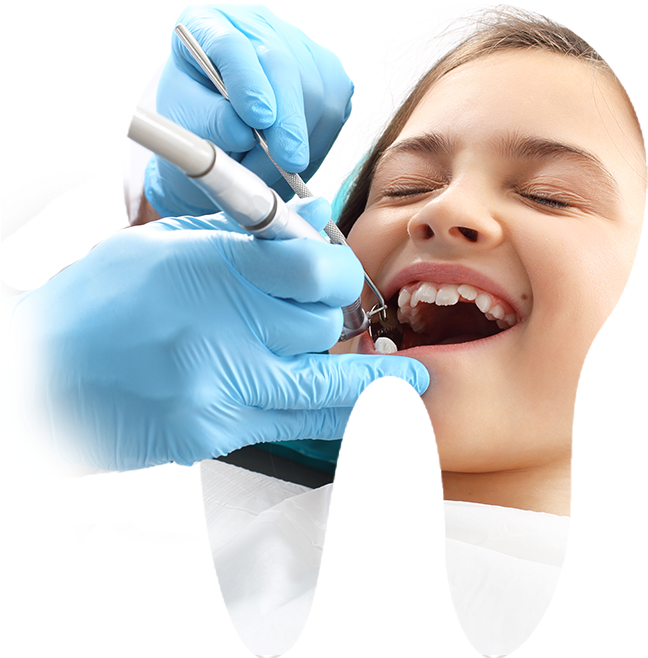
Dental implants in San Diego, CA, can help restore your smile. This doesn’t mean you don’t need any preventive dental care appointments. Schedule appointments as recommended by the dentist at least twice a year to get your teeth regularly checked and also to keep in check the health of your dental implant.
If provided proper enough care along with regular dental checkups, then your dental implants can last over a lifetime
Point Loma Dentistry, located at 1635 Rosecrans St Ste A, San Diego, CA 92106, is an equipped dentistry that offers patients the best dental care services. For Dental Implants in San Diego, Root Canal, and more, call us at (619) 223-3811 and book a consultation.
Quick Links
Helpful Articles
article_category: products
article_category: psychiatry
article_category: faqs
article_category: cats
article_category: general
article_category: services
article_category: technology
article_category: dogs
article_category: restorative
article_category: vision therapy
article_category: contact lenses
article_category: health
article_category: conditions
article_category: eye surgery co-management
article_category: exotic
article_category: cosmetic
article_category: surgical procedures
article_category: aesthetics
article_category: preventative
article_category: ocular disease management
article_category: eyeglasses
article_category: eye health
article_category: large animal
[]
article_category: psychiatry
article_category: faqs
article_category: cats
article_category: general
article_category: services
article_category: technology
article_category: dogs
article_category: restorative
article_category: vision therapy
article_category: contact lenses
article_category: health
article_category: conditions
article_category: eye surgery co-management
article_category: exotic
article_category: cosmetic
article_category: surgical procedures
article_category: aesthetics
article_category: preventative
article_category: ocular disease management
article_category: eyeglasses
article_category: eye health
article_category: large animal
[]
Flowbite is an open-source library of interactive components built on top of Tailwind CSS including buttons, dropdowns, modals, navbars, and more.
Check out this guide to learn how to get started and start developing websites even faster with components on top of Tailwind CSS.
All Dental Services
We offer a wide variety of dental services to the San Diego community. Contact us with any questions about our services.

Keep In Touch
For non-urgent questions or to learn more about our services, contact us today!
- Monday 8:00am - 5:00pm
- Tuesday 8:00am - 5:00pm
- Wednesday 8:00am - 5:00pm
- Thursday 9:00am - 6:00pm
- Friday Closed
- Saturday Closed
- Sunday Closed
- Monday
- Tuesday
- Wednesday
- Thursday
- Friday
- Saturday
- Sunday
- Monday
- Tuesday
- Wednesday
- Thursday
- Friday
- Saturday
- Sunday
© 2026 Point Loma Family Dentistry. All rights Reserved - Accessibility Statement - Privacy Policy - Sitemap
Managed and Designed by 