
Gingivectomy
Gingivectomy
Advanced gum disease causes loose tissue around the teeth. Eventually, nonsurgical treatments may not work, and the risk of tooth loss increases.
Gingivectomy, the removal of diseased gum tissue, can restore your oral health and protect your teeth.
Why should you consider gingivectomy?
Surgery can help
WHEN NONSURGICAL TREATMENT CANNOT
When All Else Fails...
Gum disease can reach a stage at which antibiotics, scaling and root planing, and other solutions cannot resolve periodontal pockets (areas of loose tissue that allow bacteria to collect). Gingivectomy may be the only solution.
A Clean Slate.
Once the diseased tissue has been removed and your incisions have healed, you can begin a new chapter of oral health in your life that you can maintain with brushing, flossing, and six-month checkups.
Improved Overall Health.
Advanced gum disease places you at greater risk of heart disease, diabetes, and other conditions. Gingivectomy not only gives you a healthier smile, but can also benefit your entire body.
A simple and effective procedure.
Gum disease
IS SURPRISINGLY COMMON AMONG AMERICANS.
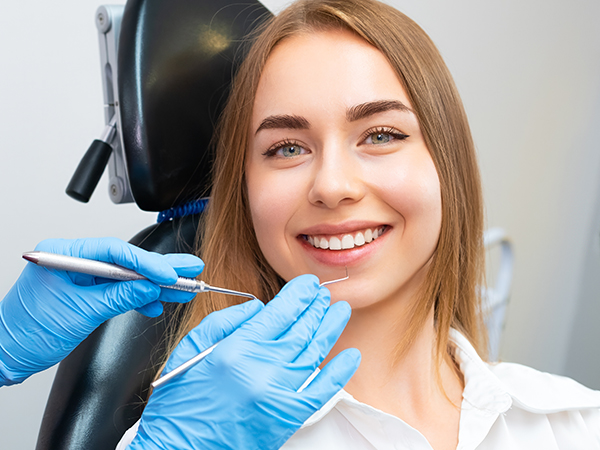
According to a 2012 StudyGingivectomy can improve both the health and appearance of your smile.
But what will it cost?
Gingivectomy can cost from $200 to $400 per tooth. If you have dental insurance, your plan will likely contribute to at least a portion of the treatment. Meanwhile, it can prevent the need for much more costly treatment, such as dental implants and dentures, which can cost thousands of dollars.
What to expect during treatment...
- Your dentist will apply a local anesthetic to the treatment area. Sedation is usually also available if you feel anxious or have difficulty sitting comfortably.
- Using a laser or scalpel, the dentist will incise and remove diseased tissue.
- The dentist will reposition healthy gum tissue around the tooth and may use sutures to hold it in place.
- The gums typically heal within a couple of weeks. In the meantime, you must make special modifications to your brushing and flossing routine to avoid disturbing the treatment area.
What are the alternatives?
If your doctor recommends gingivectomy,
IT IS LIKELY THE ONLY OPTION.
When nonsurgical treatments fail to resolve diseased gum tissue, gingivectomy is usually the only viable way of restoring periodontal health. Fortunately, modern dentistry makes the procedure virtually painless. After the procedure, you can begin a new phase of oral health care tailored to preventing the recurrence of gum disease.
If you do not attend regular checkups, or if you have symptoms of gum disease, talk to your dentist today. Gingivectomy may not be necessary yet, and with prompt attention, you may never need it.
Quick Links
Helpful Articles
article_category: products
article_category: psychiatry
article_category: faqs
article_category: cats
article_category: general
article_category: services
article_category: technology
article_category: dogs
article_category: restorative
article_category: vision therapy
article_category: contact lenses
article_category: health
article_category: conditions
article_category: eye surgery co-management
article_category: exotic
article_category: cosmetic
article_category: surgical procedures
article_category: aesthetics
article_category: preventative
article_category: ocular disease management
article_category: eyeglasses
article_category: eye health
article_category: large animal
[]
article_category: psychiatry
article_category: faqs
article_category: cats
article_category: general
article_category: services
article_category: technology
article_category: dogs
article_category: restorative
article_category: vision therapy
article_category: contact lenses
article_category: health
article_category: conditions
article_category: eye surgery co-management
article_category: exotic
article_category: cosmetic
article_category: surgical procedures
article_category: aesthetics
article_category: preventative
article_category: ocular disease management
article_category: eyeglasses
article_category: eye health
article_category: large animal
[]
Flowbite is an open-source library of interactive components built on top of Tailwind CSS including buttons, dropdowns, modals, navbars, and more.
Check out this guide to learn how to get started and start developing websites even faster with components on top of Tailwind CSS.
All Dental Services
We offer a wide variety of dental services to the San Diego community. Contact us with any questions about our services.

Keep In Touch
For non-urgent questions or to learn more about our services, contact us today!
- Monday 8:00am - 5:00pm
- Tuesday 8:00am - 5:00pm
- Wednesday 8:00am - 5:00pm
- Thursday 9:00am - 6:00pm
- Friday Closed
- Saturday Closed
- Sunday Closed
- Monday
- Tuesday
- Wednesday
- Thursday
- Friday
- Saturday
- Sunday
- Monday
- Tuesday
- Wednesday
- Thursday
- Friday
- Saturday
- Sunday
© 2026 Point Loma Family Dentistry. All rights Reserved - Accessibility Statement - Privacy Policy - Sitemap
Managed and Designed by 